Most people only think about their eyes when something feels wrong. If vision seems clear and there is no pain, it is easy to assume everything is fine. But eye health does not always come with obvious warning signs. Many of the conditions that lead to serious vision problems develop slowly over years, driven by small everyday habits that seem completely harmless.
The good news is that most of these mistakes are simple to fix once you know what to look for. Here is what you might be getting wrong without even knowing it.
The Eye Exam Mistake That Catches People Off Guard
Why “My Vision Is Fine” Is Not A Good Enough Reason
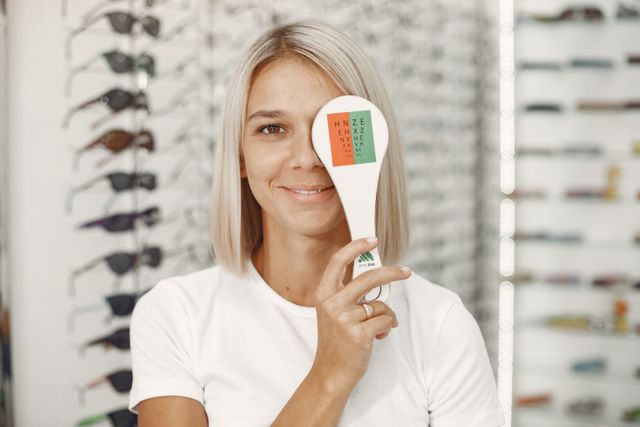
This is the most common reason people skip their yearly eye exam. If you can see clearly, it feels like there is nothing to check. But clear vision is not the same as healthy vision. Several serious eye conditions cause no noticeable changes to sight in their early stages, which is exactly what makes them so dangerous.
Glaucoma, for example, damages the optic nerve slowly and often has no symptoms until significant and permanent vision loss has already happened. Diabetic retinopathy, macular degeneration, and certain types of retinal detachment can all be present without any clear signs until the damage is already done.
What A Routine Eye Test Can Actually Detect
An eye exam does more than update your prescription. Optometrists can spot early signs of wider health conditions including high blood pressure, diabetes, and some neurological issues, all through a standard eye examination.
The general advice for adults with no existing conditions is an eye test every two years. If you wear corrective lenses, have a family history of eye disease, or are over 40, yearly checks are worth considering. It is one of the simplest and most overlooked health appointments you can make.
Why You Should Stop Rubbing Your Eyes
What Happens To Your Cornea Over Time
Rubbing your eyes feels natural, whether from tiredness, irritation, or just habit. But doing it repeatedly puts direct pressure on the cornea, the clear front surface of the eye. Over time, this pressure can cause the cornea to weaken and slowly change shape, a condition known as keratoconus.
Keratoconus causes the cornea to thin and push outward, leading to blurred vision that cannot always be fully corrected with standard glasses or contact lenses. While genetics play a role, regular eye rubbing is widely recognised as something that makes the condition more likely.
The Infection Risk Most People Underestimate
Beyond physical damage, hands carry bacteria, viruses, and allergens that move directly to the eye with each rub. The surface of the eye is one of the most vulnerable parts of the body when it comes to infection. Conjunctivitis, styes, and more serious bacterial infections can all be traced back to unwashed hands touching the eye.
If your eyes feel irritated or itchy, a cold compress or preservative-free eye drops are much safer choices than rubbing.
How Screens Take A Toll On Your Vision
What Digital Eye Strain Actually Feels Like
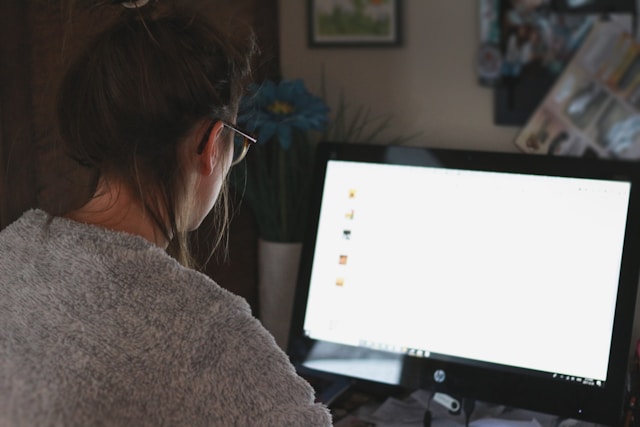
Digital eye strain is now one of the most common eye complaints among adults. Symptoms include dry or irritated eyes, blurred vision, headaches, and a heavy or tired feeling around the eyes after long periods of screen use.
Screens are particularly tiring for the eyes because they require steady focus at a fixed distance with very little natural change. People also blink much less when looking at a screen, which reduces the moisture that keeps the surface of the eye comfortable and clear.
The 20-20-20 Rule And Why Most People Ignore It
The 20-20-20 rule is the most widely recommended solution for screen-related eye strain. Every 20 minutes, look at something at least 20 feet away for at least 20 seconds. This gives the focusing muscles inside the eye a short rest and encourages a more natural blink rate.
Most people know about the rule and do not follow it. Setting a reminder on your phone or pairing it with another habit like getting up to drink water makes a real difference to how your eyes feel by the end of the day.
UV Damage Is Not Just A Summer Problem
Why Cloudy Days Are Not As Safe As They Look
Sunglasses tend to come out in July and disappear by September. But ultraviolet radiation does not follow the seasons. Up to 80 percent of UV rays pass through cloud cover, which means the eyes are exposed to UV on grey days just as they are in direct sunlight.
Reflected UV from surfaces like water, snow, and pale concrete can also be significant, sometimes greater than the direct UV coming from the sky. People who spend time outdoors in winter, near water, or at altitude are particularly at risk without often knowing it.
What Cumulative UV Exposure Does To Your Eyes
UV damage to the eyes builds up over a lifetime. Each unprotected exposure adds to a total that raises the risk of conditions including cataracts, which involve a clouding of the eye’s natural lens, and pterygium, a growth of tissue across the surface of the eye.
Long-term UV exposure is also linked to a higher risk of macular degeneration, the leading cause of vision loss in adults over 50 in the UK. Wearing UV-protective sunglasses throughout the year is one of the most straightforward steps you can take for your eye health, yet it remains one of the most overlooked.
Eyewear Habits That Put Your Eyes At Risk
The Danger Of A Lens Left In Overnight
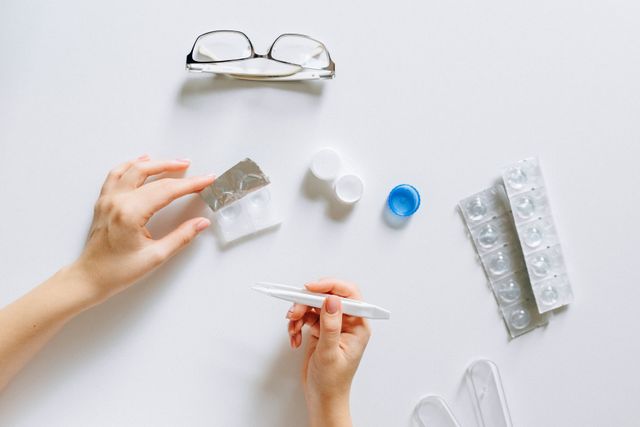
Sleeping in contact lenses is one of the most common and most harmful habits among lens wearers. Even lenses marketed as extended wear reduce the amount of oxygen that reaches the cornea, and wearing them overnight makes this worse.
A cornea that does not get enough oxygen becomes more open to bacterial infection. The risk of developing microbial keratitis, a serious corneal infection, is estimated to be six to eight times higher in people who sleep in their lenses compared to those who remove them each night. In serious cases, this type of infection can cause permanent scarring and vision loss.
What Happens When You Wear Lenses Past Their Replacement Date
Daily lenses worn for two days, monthlies stretched to six weeks. It happens more often than most people admit. Contact lenses collect protein deposits, bacteria, and debris over time, and wearing them beyond their intended lifespan increases the risk of irritation, infection, and corneal damage.
The replacement schedule on a lens is not just a comfort guide. It is based on the material’s ability to stay safe and allow oxygen through over a set period of time. Wearing them beyond that window quietly raises the risk even when the lens still feels comfortable.
Why Water And Contact Lenses Do Not Mix
Tap water, swimming pools, hot tubs, and natural bodies of water all carry microorganisms that are harmless to most parts of the body but dangerous when they come into contact with a lens-wearing eye. The most serious is Acanthamoeba, a tiny organism found in water sources around the world that can cause Acanthamoeba keratitis, a painful and sight-threatening corneal infection.
Contact lenses should be removed before any activity involving water. If lenses are accidentally exposed to water, they should be thrown away rather than rinsed and reused.
The Problem With Topped-Up Solution
Topping up contact lens solution rather than emptying and refilling the case completely is something many wearers do without thinking. The problem is that it weakens the disinfecting agents in the fresh solution, reducing its ability to kill bacteria properly.
Lens cases should be emptied fully, rinsed with fresh solution rather than water, and left face down on a clean tissue to dry between uses. Cases should also be replaced every one to three months, as they can build up bacteria even with regular cleaning.
Why Your Frames Need To Fit Properly
Glasses that do not sit correctly on the face can cause more problems than most people expect. Frames that sit too low force the eyes to look over the optical centre of the lens, which means the prescription is not working as it should. This can lead to headaches, eye fatigue, and in some cases make vision problems worse over time.
Frames that are too tight put pressure on the temples and the bridge of the nose, causing discomfort and headaches after long periods of wear. An optician can adjust most frames, and it is worth getting the fit checked whenever a new pair is fitted or if discomfort develops.
Scratched Lenses Are More Than A Cosmetic Problem
A scratched lens is easy to ignore as a cosmetic issue. But scratches break up light as it passes through the lens, reducing sharpness and making the eye work harder to focus. Over time, wearing scratched lenses can cause eye strain and headaches.
Anti-scratch coatings help but do not make lenses impossible to damage. Cleaning glasses with a dry cloth, rough fabric, or the hem of a shirt are common causes of small surface scratches that add up over time. A microfibre cloth and a proper lens cleaning solution are the only things that should touch the lens surface.
No Valid Prescription, No Safe Eyewear
Buying glasses or contact lenses without a current prescription is a risk that has become easier to take with so many online eyewear options now available. An outdated prescription means the corrective power of the lens no longer matches what the eye needs, which forces the eye to work harder and can speed up strain and fatigue.
For contact lenses specifically, prescriptions also include measurements that are specific to the lens type and brand, not just the corrective power. A glasses prescription and a contact lens prescription are not the same thing. Wearing lenses fitted to the wrong measurements can cause discomfort, poor vision, and corneal problems.
This matters especially for people who already experience sensitivity or discomfort. If your eyes feel dry or irritated with your current lenses, the issue may not be lens wear itself but the wrong lens type for your eyes. There are now contact lenses for dry eyes specifically designed with higher water content and better oxygen flow, meaning many people who previously found lens wear uncomfortable can wear them comfortably with the right fit and prescription. Giving up on lens wear completely before exploring these options with an optician is a mistake worth avoiding.
The Link Between Nutrition And Eye Health
The Nutrients Your Eyes Rely On Most
Diet plays a bigger role in long-term eye health than most people realise. Certain nutrients have strong evidence behind them for protecting the eye from age-related problems.
Lutein and zeaxanthin, found in leafy greens like kale and spinach as well as eggs, build up in the macula and help filter harmful blue light. Omega-3 fatty acids, found in oily fish, support the tear film and reduce the risk of dry eye. Vitamins C and E act as antioxidants that help protect eye tissue from damage over time, while zinc plays a role in carrying vitamin A from the liver to the retina.
Simple Dietary Shifts That Support Long-Term Vision
You do not need a special diet to support eye health. Regular servings of oily fish, leafy greens, eggs, citrus fruit, and nuts cover most of the key nutritional needs. For people who find it hard to get enough through food alone, targeted eye health supplements containing lutein, zeaxanthin, and omega-3 are widely available.
The evidence linking nutrition to a reduced risk of age-related macular degeneration is well established. What you eat in your 30s and 40s has a real effect on how your eyes age in your 60s and beyond.
Poor Ambient Lighting And Its Effect On Your Eyes
Does Bad Lighting Actually Cause Damage?
The idea that reading in dim light permanently damages your eyes is a myth. Clinical evidence does not support a direct link between low lighting and lasting structural damage to the eye. However, reading or working in poor light does cause noticeable short-term strain as the eyes work harder to process contrast and stay focused.
This kind of ongoing eye strain leads to headaches, fatigue, and reduced concentration, even if it does not cause permanent harm. For people who already deal with dry eyes or digital eye strain, poor lighting makes symptoms noticeably worse.
How To Set Up Better Lighting At Home And At Work
The key is to avoid strong contrast between what you are looking at and the environment around it. A bright screen in a dark room, or a book lit by a single overhead bulb with dark shadows on the page, both force the eyes to constantly readjust.
For desk work, a combination of general room lighting and a directed task light placed to avoid glare on the screen or page is the most comfortable setup. Natural daylight is the best light source where possible, but placing a screen so that a window is directly behind or in front of it creates glare and reflection that increases strain.
Conclusion
None of the mistakes covered here are hard to fix. Most of them come down to small changes in daily habits. A lens case emptied properly, a pair of sunglasses worn in November, a prescription checked before it runs out. The eyes work constantly and tend to quietly compensate for the strain they are put under, which is exactly why problems go unnoticed for so long.
The most valuable single step is also the simplest. Book an eye exam if you have not had one in the past two years. Everything else builds from there.


