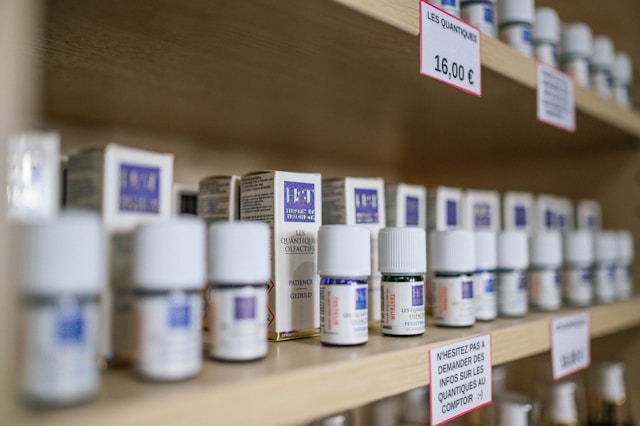
Walk into any health shop and the shelves keep growing. Mushroom powders, adaptogen blends, and botanical tinctures now sit beside the usual vitamins. The word “functional” appears on more labels every year.
This shift can feel exciting and confusing at once. Some items have long traditions, yet many have thin modern evidence. One brand in this space is Amentara, a vendor that sells botanical products including amanita muscaria. Naming a seller is not a recommendation, and this guide stays neutral. The goal is a calm method for judging any product before you buy.
Here’s how to evaluate natural wellness products carefully:
Why Has The Natural Wellness Market Grown So Fast?
The category is booming because demand and supply rose together. Shoppers want options that feel gentle and plant-based. Sellers noticed and widened their ranges quickly.
Several forces pushed this trend forward. Social media spreads product stories fast. Online stores ship niche botanicals in days. Wellness culture rewards anything that looks ancient or rare.
That momentum has a downside worth naming. Marketing often runs ahead of the science. A confident label can imply benefits that no study has confirmed.
So speed is the real risk. New products reach buyers before researchers test them. A clear head matters when claims sound too neat.
How Do You Read The Evidence Behind A Product?
Start by separating a claim from proof. A claim is what a seller says. Proof is what independent research shows.
Use this quick ladder when you weigh any wellness product:
- Check the source. Look for published studies, not just testimonials or influencer posts.
- Check the subjects. Human trials carry more weight than lab dishes or animal tests.
- Check the size. A study of 12 people proves far less than one of 1,200.
- Check the funding. Research paid for by the seller deserves extra caution.
- Check the agreement. One result means little until other teams repeat it.
The National Center for Complementary and Integrative Health offers plain advice. It urges shoppers to research the science on safety and effectiveness first. It also says to discuss what you find with a health professional before deciding.
That second step is easy to skip and easy to value. A short chat with a pharmacist can flag risks you would miss alone. They can also check a product against medicines you take.
What Does “Natural” Actually Mean For Safety?
Natural does not mean safe, and this trips up many buyers. Plenty of plants are powerful, and some are dangerous. The dose, the source, and your own health all change the picture.
Amanita muscaria, the fly agaric mushroom, shows why caution matters. It is psychoactive because it contains muscimol and ibotenic acid. These compounds act on the brain, and the mushroom can cause unwanted side effects if misused, like most plants and fungi.
A 2025 review in the journal Toxins set out the clinical picture plainly. The authors describe serious poisoning cases with gastrointestinal and neurological effects. They note that no specific antidote exists, and they flag rising consumption as a public health concern.
A 2025 review in the journal Toxins examined reported cases and noted that most serious outcomes involved significant misdosing or improper preparation. The authors flag rising consumption as a reason to take preparation and sourcing seriously, which is sound advice for any potent botanical. Approached correctly, the risk profile looks very different from the headline cases.
That said, these are rare and severe cases, usually tied to misidentification, poor preparation, or very high doses rather than careful traditional use. The US logs hundreds of thousands of mushroom exposures a year, yet cases that are both serious and linked to Amanita muscaria are uncommon. The sensible approach is to read widely, weigh the tradition alongside the clinical literature, and judge for yourself.
The wider lesson stretches beyond one mushroom. Any potent botanical can interact with prescriptions, conditions, or pregnancy. A healthy adult and a heart patient face different risks.
Where Do The Rules Stand On These Products?
Regulation is patchy and varies by product and place. Many botanical items are sold as supplements, not approved medicines. That status shapes what a seller may and may not claim.
Here is a simple way to picture the gaps:
- Approval. Supplements are not tested and approved like prescription drugs before sale.
- Claims. Sellers cannot legally say a supplement treats or cures a disease.
- Legality. The legal status of substances like amanita muscaria varies by country and region.
- Labels. What a label lists may not always match what is inside the jar.
Responsible sellers reflect this in their own words. Amentara, for example, states that its products are not evaluated by regulators. It also notes they are not intended to diagnose, treat, cure, or prevent any disease.
Those disclaimers are not fine print to ignore. They tell you the legal floor and what no product may promise. If a seller skips such caveats while making bold health claims, treat that as a warning sign.
How Can You Make A Calm, Informed Choice?
Slow down before you buy, especially with anything psychoactive. A 24-hour pause defuses the pull of marketing. Use that time to run a few honest checks.
A short table can hold your decision steady:
| Question to ask | A reassuring answer |
| What does the research say? | Several human studies, not stories |
| What does the collection of personal anecdotes reflect? | Consistent, positive reports over time |
| Does it have a history of indigenous or shamanic use? | A long traditional record of use |
| Is the seller transparent? | Clear ingredients and disclaimers |
| What does the label promise? | Modest wording, no cures |
| Have I asked a professional? | A pharmacist reviewed it |
| Is it legal where I live? | Confirmed for my region |
Five clear answers tell you more than a hundred glossy words. None ask what a product will do for you. They ask what is true and safe.
This method works on every shelf, from vitamins to rare botanicals. It also fits with trusted CBD routines and other measured habits. The aim is steady judgment, not fear or hype.
What To Keep In Mind
- The natural wellness market has grown faster than the evidence behind many products.
- Repeated human studies can help, but use discernment and avoid basing your whole decision on them; much of the industry around these studies runs on incentives and pay-for-play, and some are poorly done or misleading.
- Natural does not mean safe; amanita muscaria is psychoactive and can cause unwanted side effects if misused.
- Supplements are not approved like medicines, and they cannot legally claim to treat disease.
- A short talk with a doctor or pharmacist is the single best safety step you can take.
A Steadier Way To Shop The Wellness Aisle
The wellness aisle rewards a curious but careful eye. Ask for evidence, read the disclaimers, and check the law where you live. Pair these habits with simple natural energy ideas and sensible supplement choices for calmer decisions. Talk to a professional, take your time, and let proof guide the purchase.
Frequently Asked Questions
What Is a Functional Wellness Product?
A functional wellness product is marketed to support some aspect of wellbeing beyond basic nutrition. Common examples include mushroom powders, adaptogen blends, and botanical tinctures. These are usually sold as supplements, so they are not approved or proven like medicines.
Is Amanita Muscaria a Safe Treatment for Anything?
No one is legally allowed to market it to you as a certain cure, so you will have to use your own discernment, and amanita muscaria is not an approved medicine for any condition. It is a psychoactive mushroom containing muscimol and ibotenic acid, and it can cause unwanted side effects if misused. Its legal status varies by region, so consult a healthcare professional and check local law.
Does “Natural” On a Label Mean a Product Is Safe?
No, natural does not guarantee safety. Many plants are potent, and some can be harmful depending on dose, source, and your health. Always weigh the evidence and speak with a doctor or pharmacist before trying a new botanical.
How Can I Check If a Wellness Claim Is Reliable?
Weigh all of the information, including human research, traditional and anecdotal accounts, and your own intuition, alongside a medical professional’s guidance rather than testimonials or seller-funded studies. Favor results that other teams have repeated in published journals. The NCCIH recommends researching the science first, then discussing it with a health professional.


