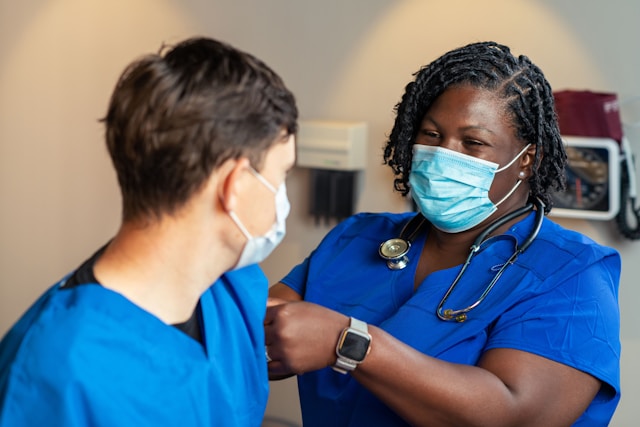
Think about the last time you or someone in your family needed medical advice but not an emergency room. Maybe it was a fever that wouldn’t break, a question about a child’s rash, or a follow-up after a hospital stay. In those moments, the person who usually provides clarity is a nurse. They check vitals, explain medications, and offer reassurance when everything feels uncertain.
But nurses don’t just work in hospitals. They run community health screenings, lead vaccination clinics, educate families on nutrition, and catch chronic conditions before they become crises. They’re the invisible thread holding community health together. Right now, that thread is fraying.
A growing nursing shortage means fewer qualified professionals available when families need them most. Understanding why this matters – and what’s being done about it – is essential for anyone who cares about staying healthy.
Why Nurses Are The Backbone Of Community Health
When you picture a nurse, you probably imagine a hospital floor. Busy corridors. Beeping monitors. But a huge portion of nursing happens outside those walls. Community health nurses visit homes, run mobile clinics, and staff school health offices. They’re the ones who notice when a senior hasn’t been taking their medication or when a child’s asthma is getting worse.
The World Health Organization’s State of the World’s Nursing 2025 report found that nurses make up more than half of the global health workforce and are central to delivering primary care. The same report projects a global nursing shortage of 4.1 million by 2030. That’s down from 5.8 million in 2023, but still stark enough to threaten health equity worldwide.
These professionals translate complicated medical advice into something families can actually use. They explain why that prescription needs to be finished even after symptoms disappear. They show a new mother how to swaddle her baby safely. They spot diabetes warning signs during a routine health check at a community center.
For healthcare facilities, having access to qualified local nurses isn’t a luxury. It’s what keeps people from ending up back in the hospital with preventable complications. When clinics and nursing homes can’t find enough staff, the entire community feels the strain.
The Ripple Effect Of Nurse Shortages On Wellness
When a facility can’t find enough nurses, the first thing to go is prevention. Screenings get postponed. Health education sessions get canceled. The nurses who remain get pulled into acute care, leaving fewer people to do the community work that stops people from getting sick in the first place.
The numbers tell a difficult story. According to Nurse.org, covering the NSI National Health Care Retention and RN Staffing Report, RN turnover hit 17.6 percent in 2025. Replacing a single bedside nurse costs an average of $60,090. That’s money that could fund community health programs instead.
CNA Insurance reported in 2025 that 100,000 nurses left the workforce during the COVID-19 pandemic, with 900,000 more expected to exit by 2027. The same report projects a national shortfall of 100,000 healthcare workers by 2028.
What does this mean for everyday health? Longer waits for appointments. Less time with the nurse you do see. Fewer community wellness events. It means conditions like high blood pressure or early-stage diabetes get detected later, when treatment is harder and more expensive.
A Nursing Inquiry study from April 2025 found that public health nurses had a 6-11% higher probability of reporting confidence in addressing health equity than non-nurse public health staff. Losing these nurses doesn’t just hurt individual patients – it widens the health gap for entire communities.
This is where families feel the strain most directly. When you’re trying to keep your kids active and healthy, as discussed in this article on family fitness and running with kids at Art of Healthy Living, the last thing you need is a healthcare system that can’t support preventive care because it’s understaffed.
How Technology Is Closing The Gap In Nurse Access
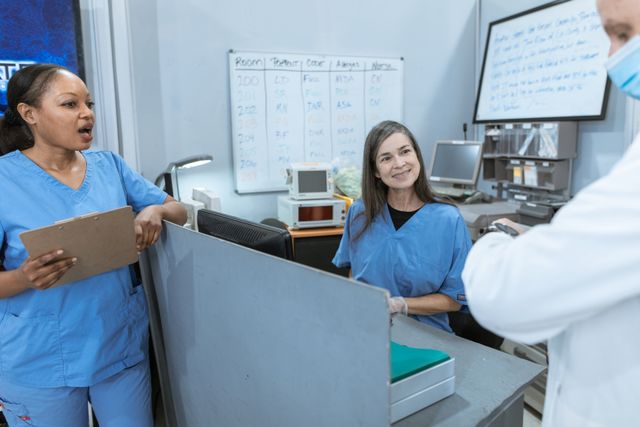
The nursing shortage won’t fix itself. But new tools are changing how facilities find and hire nurses. Instead of relying on long-term recruitment cycles that take months, many healthcare organizations now use digital staffing platforms to fill shifts quickly with pre-vetted clinicians.
The per diem nurse staffing market was valued at about $15.99 billion globally in 2025, with projections reaching $22.30 billion by 2030, according to Research and Markets. That growth reflects something important: healthcare staffing models are changing, and they’re changing fast.
Digital platforms let nurses choose when and where they work. That flexibility matters. Many nurses left hospital jobs because they wanted more control over their schedules. By offering per diem or shift-based work through an app, facilities can attract experienced nurses who might otherwise leave the profession entirely.
For community health, this makes a real difference. A clinic that needs a nurse for tomorrow’s vaccination drive can post a shift and be matched with a qualified nurse within hours. A nursing home short-staffed on a weekend can fill gaps without compromising the quality of care. Over half of shifts on digital platforms get filled within 24 hours.
This approach ties into wider wellness habits, too. Just as paying attention to water quality and nutrition supports better health, having reliable access to nurses supports better community outcomes. And for individuals building home fitness routines, knowing that qualified nursing support is available in their community offers peace of mind.
What Nursing Access Means For Your Health
None of this is abstract. When your community has enough nurses, you get faster test results. Your child gets a school hearing screening. Your elderly neighbor gets a home visit that catches a medication error before it lands them in the hospital.
When it doesn’t, you feel the difference in ways that are hard to quantify until they affect you personally. A delayed mammogram. A missed blood pressure check. A health fair that gets canceled because there’s no one to run it.
The nursing shortage is a health equity issue, a community well-being issue, and a family health issue all at once. But it’s also solvable through smarter staffing models and technology that puts nurses where they’re needed most.
Better access to nursing care belongs in both healthcare policy conversations and personal wellness planning. When qualified local nurses are available, everyone stays healthier. That’s not just a statistic. It’s the reality of community health.


